Peru Ultimate Travel Guide
Peru is one of the most fascinating destinations you can visit in South America. Home to ancient Incan ruins, the breathtaking Andes Mountains, vibrant cities, the Amazon rainforest, and some of the best food in the world, Peru is truly an unforgettable place to explore. From the iconic wonder of Machu Picchu to the colorful streets of Cusco and the coastal capital of Lima, Peru offers something for every type of traveler. Whether you're an adventure seeker, history lover, foodie, or solo traveler, you'll find endless opportunities to experience the country's incredible culture and natural beauty. Peru is home to several UNESCO World Heritage Sites and offers a unique opportunity to explore ancient civilizations, traditional communities, and modern South American life. It's a destination where history, adventure, and culture come together to create a trip you'll never forget.



Best Time to Visit
The best time to visit Peru depends on which regions you plan to explore, but I recommend traveling during the dry season from May through September, especially if visiting Machu Picchu, Cusco, and the Sacred Valley is on your itinerary. During these months, you can expect clearer skies, less rain, and ideal conditions for hiking and exploring the Andes. June through August is peak tourist season, so popular destinations can be crowded and accommodations may be more expensive.
The shoulder months of April and October are also great options, offering a balance of pleasant weather and fewer crowds. Peru's rainy season generally runs from November through March, bringing lush landscapes but also heavier rainfall that can affect hiking plans and transportation in the mountains. If you're planning to visit the Amazon rainforest or Lima, keep in mind that weather patterns vary by region. Overall, May and September are excellent months for exploring Peru while enjoying comfortable conditions and unforgettable views!
What to Expect
Language: The official language of Peru is Spanish. Quechua and Aymara are also widely spoken in certain regions, particularly in the Andes. English is spoken in many tourist areas, including Cusco and Lima, but learning a few basic Spanish phrases will go a long way.
Currency: Peru uses the Peruvian sol (PEN). It's a good idea to carry some local currency for markets, small restaurants, taxis, and purchases in smaller towns.
Food: Peru is one of the best food destinations in South America! Peruvian cuisine blends Indigenous traditions with Spanish, Asian, and African influences. Be sure to try ceviche, lomo saltado, ají de gallina, and causa. Lima is especially famous for its food scene, while Cusco offers traditional Andean dishes. Vegetarian options are available in major tourist destinations, although they can be more limited in rural areas. If you're visiting high-altitude destinations like Cusco, drink plenty of water and give yourself time to adjust before jumping into strenuous activities.
Credit Cards and ATMs: Credit and debit cards are widely accepted in major cities, hotels, and established restaurants, but cash is essential in smaller towns, local markets, and rural areas. ATMs are available in cities and popular tourist destinations, but it's smart to withdraw cash before heading to remote areas. Keep some Peruvian soles on hand for smaller purchases, and check your bank's foreign transaction and ATM fees. Visa and Mastercard are generally more widely accepted than American Express.
Plugs: Peru primarily uses Type A and Type C plugs, with Type B also found in some locations. The standard voltage is 220 V, and the frequency is 60 Hz. Travelers from the United States may need a plug adapter, and it's important to check that your electronics support 220 V before plugging them in. Many phone and laptop chargers are dual-voltage, but hair tools may not be. Check the label on your device before using it.
Safety: Peru is an incredible country to explore, but it's important to take normal travel precautions. Keep an eye on your belongings in crowded areas, markets, and public transportation, particularly in Lima and Cusco. Use reputable taxis or ride-hailing services, avoid displaying expensive valuables, and research local safety guidance before traveling. If you're visiting the Andes, remember that altitude sickness can affect travelers at elevations like Cusco, so plan time to acclimatize. When visiting remote areas, book excursions with reputable tour operators and follow local guidance.
TRAVEL GUIDES
-

3 Days in Mykonos | Itinerary for Adventure & Fun
Looking for a mix of chill and party, Mykonos is totally your vibe. Check out how to spend the best three days in one of my favorite Greek Islands.
-

10 Days in Greece | The Best Itinerary for First-Timers
Have you dreamt of visiting the land where Greek Mythology originated? A city full of history and culture, Athens is an absolute bucket list place for all travelers.
-

3 Days in Santorini | The perfect itinerary for adventurers
The luxurious island of Santorini boasts surreal views and is home to some of the best luxury resorts in the world. This itinerary is perfect for those looking to relax and adventure at the same time!
BUCKET LIST EXPERIENCES
-
![Four partiers pose with drinks in front of a DJ booth at Tropicana Day Club in Mykonos.]()
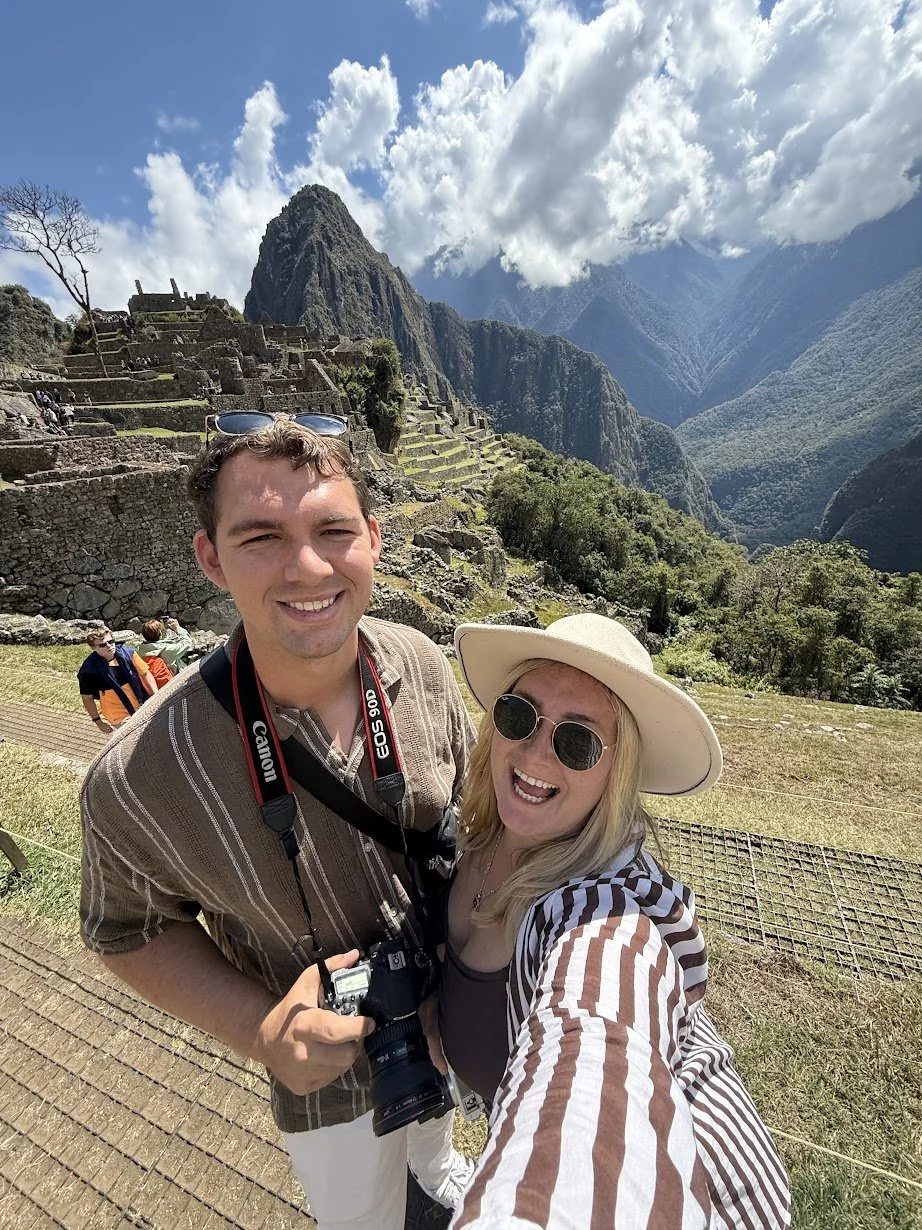
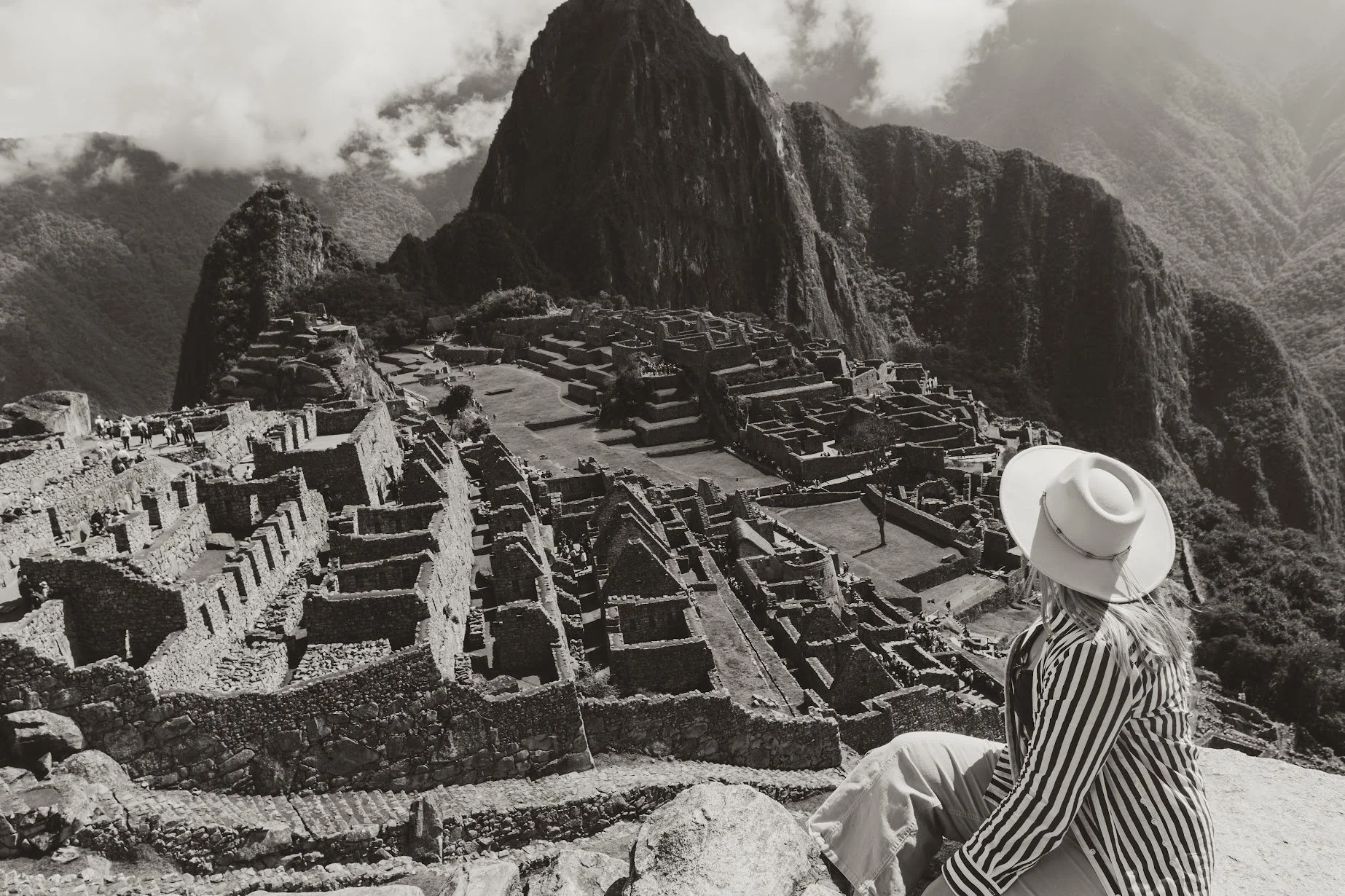
Visit Machu Picchu
Machu Picchu is truly a bucket list destination and one of the most incredible places you can visit in your lifetime. Walking through the centuries-old stone ruins feels like stepping back in time, offering a glimpse into the fascinating history and engineering of the Inca civilization.
-
![]()
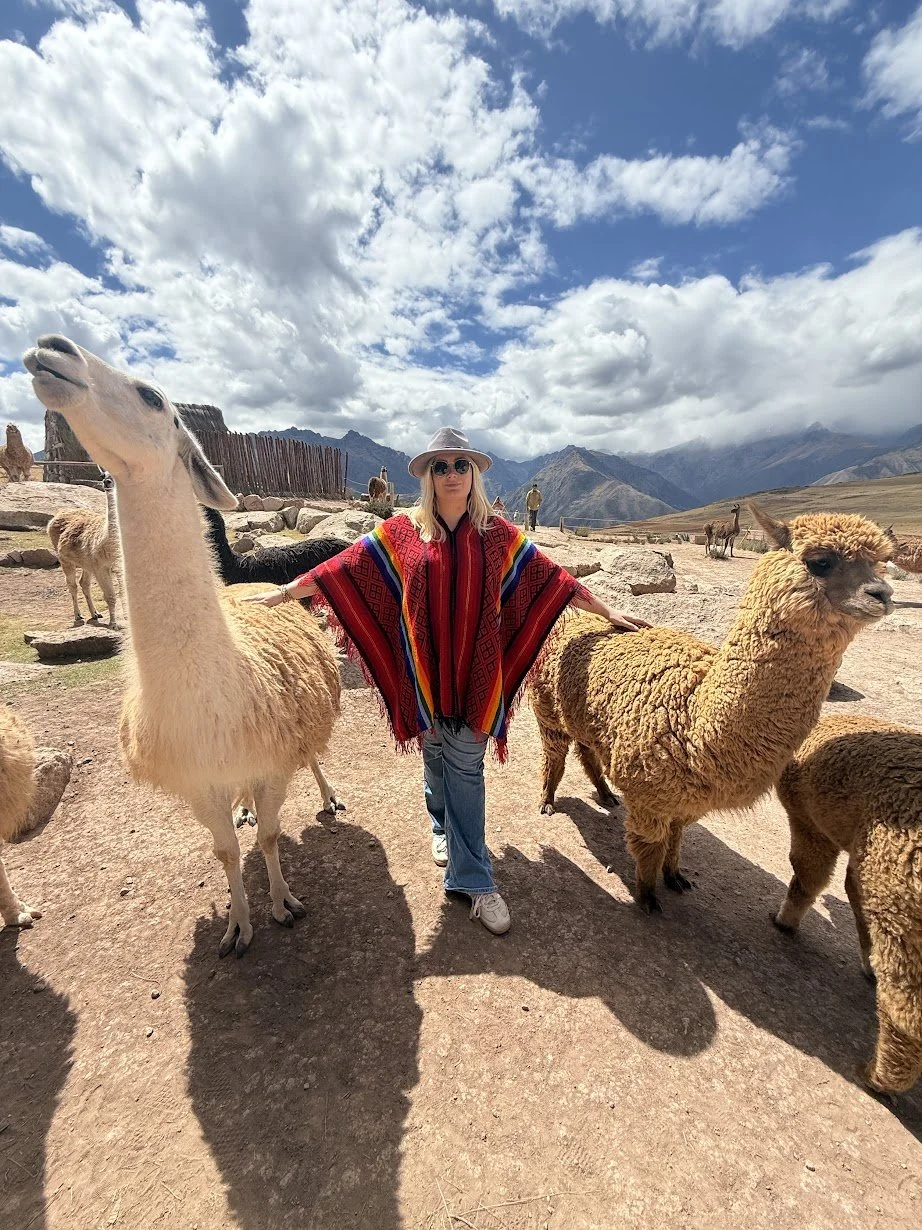
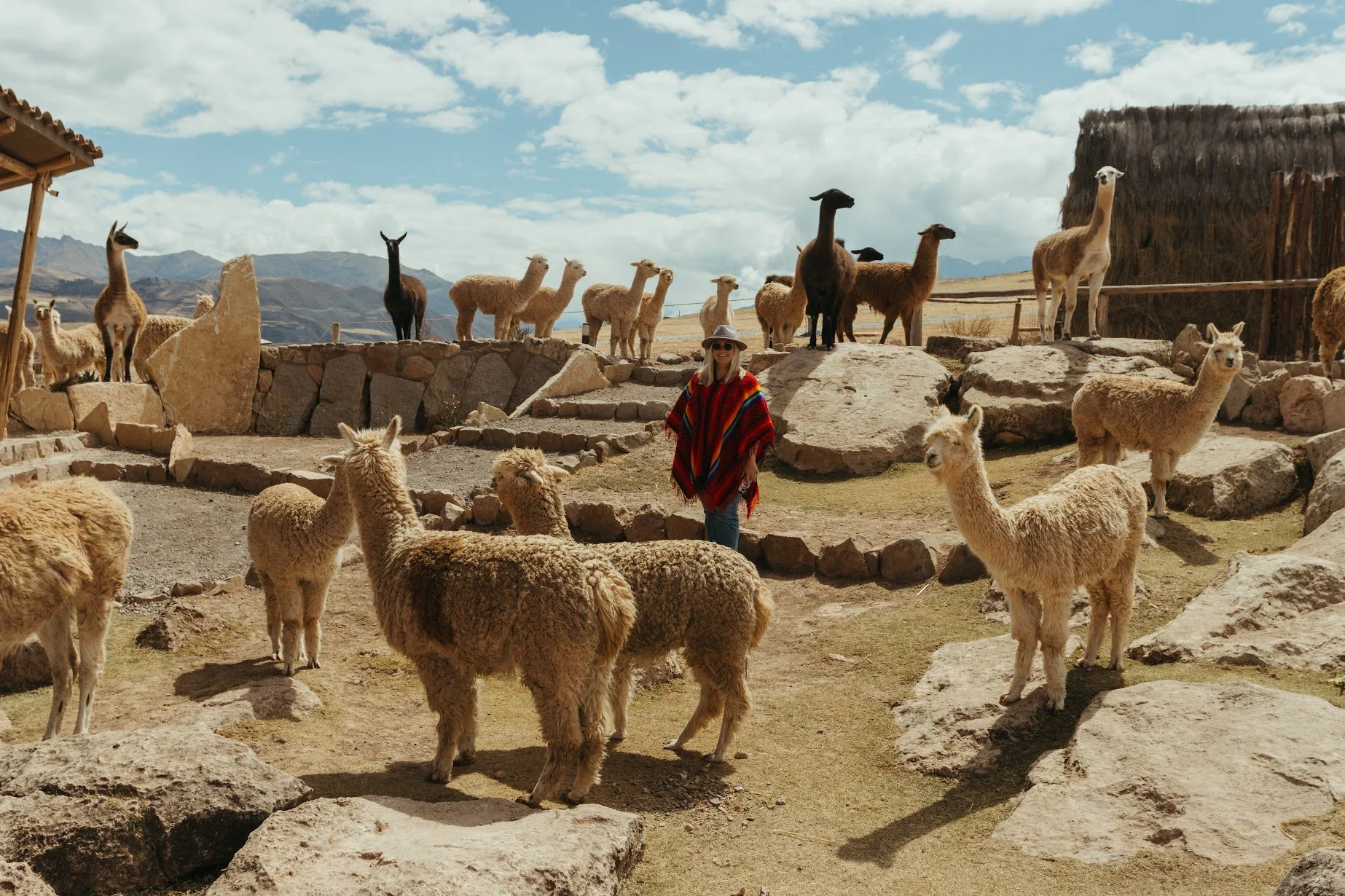
Play with llamas or alpacas
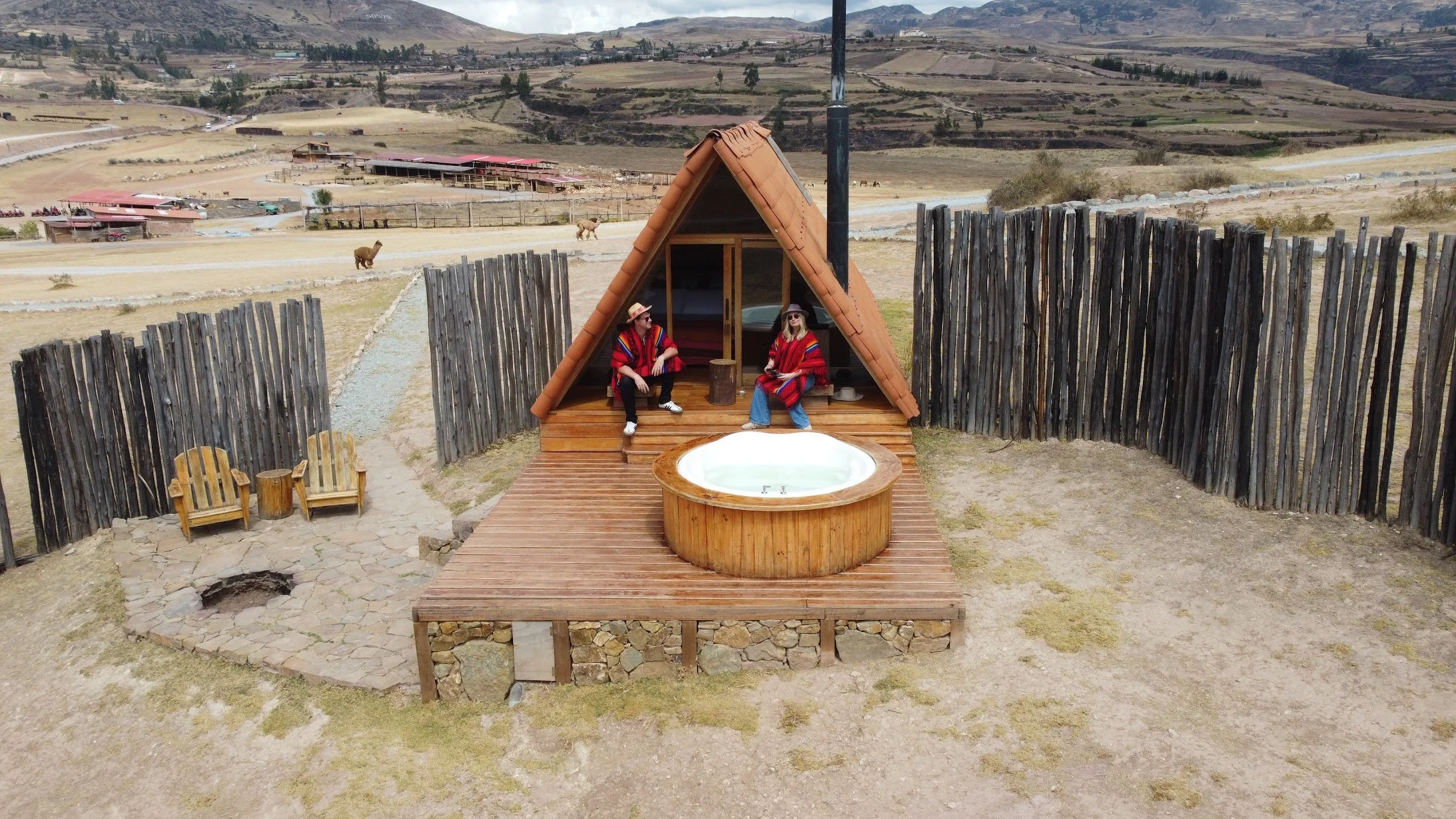
Mountain View Experience is an epic spot that can only truly be enjoyed in the Sacred Valley of Peru. Here you can swim in a hot tub surrounded by llamas and alpacas, have a picnic, or even spend the night gazing up at the Milky Way.
-
![]()
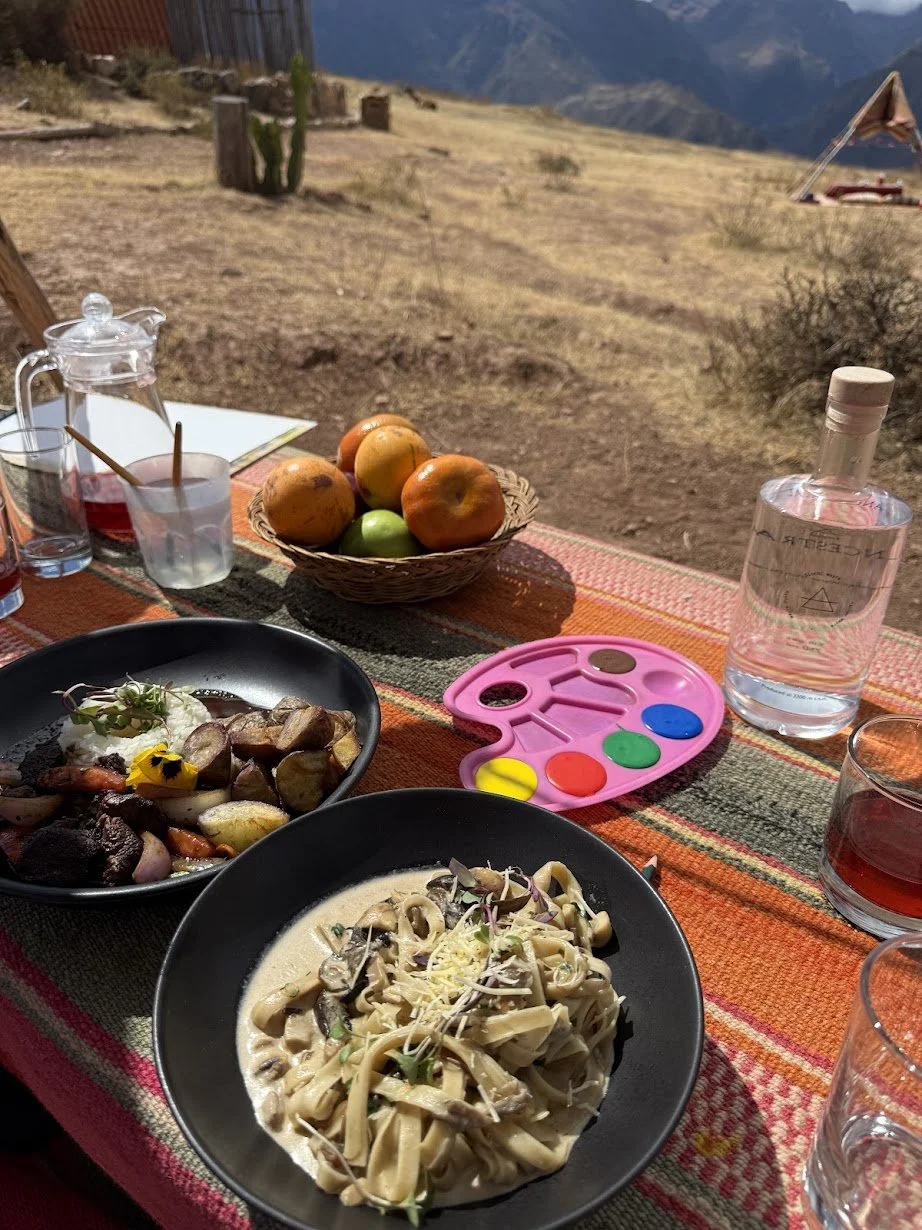
Enjoy the cuisine
e sure to try ceviche, Peru’s famous dish of fresh fish marinated in citrus, lomo saltado, a delicious stir-fry of beef, onions, tomatoes, and fries, and ají de gallina, a creamy chicken dish with a flavorful pepper sauce. Don’t forget to sample local favorites like pisco sours and freshly made empanadas along the way.
-
![]()
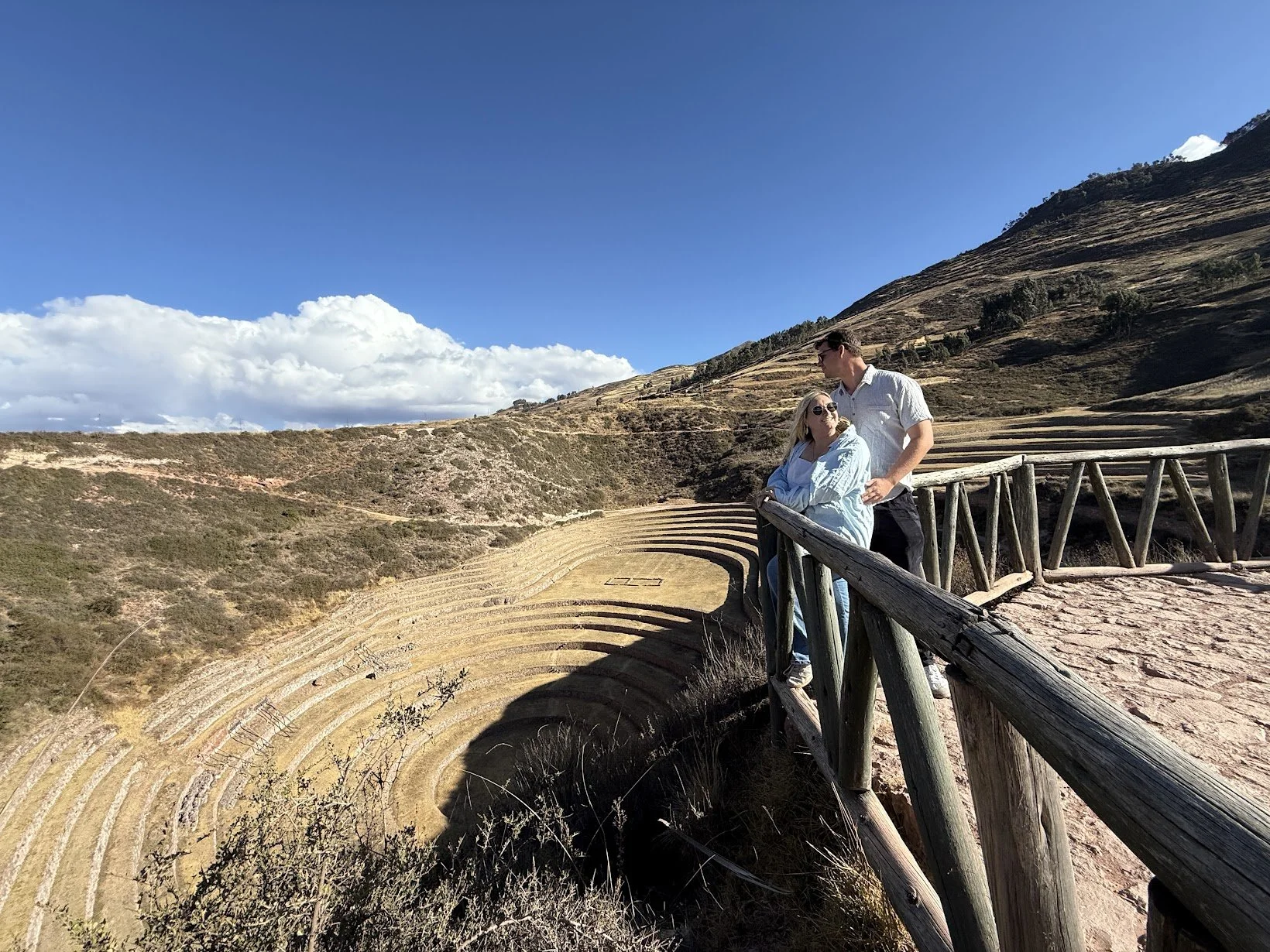
Visit the Sacred Valley
Nestled in the Andes Mountains between Cusco and Machu Picchu, this beautiful region is home to charming villages, terraced hillsides, colorful markets, and incredible archaeological sites. Explore the impressive Incan ruins of Ollantaytambo and Pisac, browse the local markets for handmade textiles, or simply take in the stunning mountain views as you travel through the valley.
-
![]()
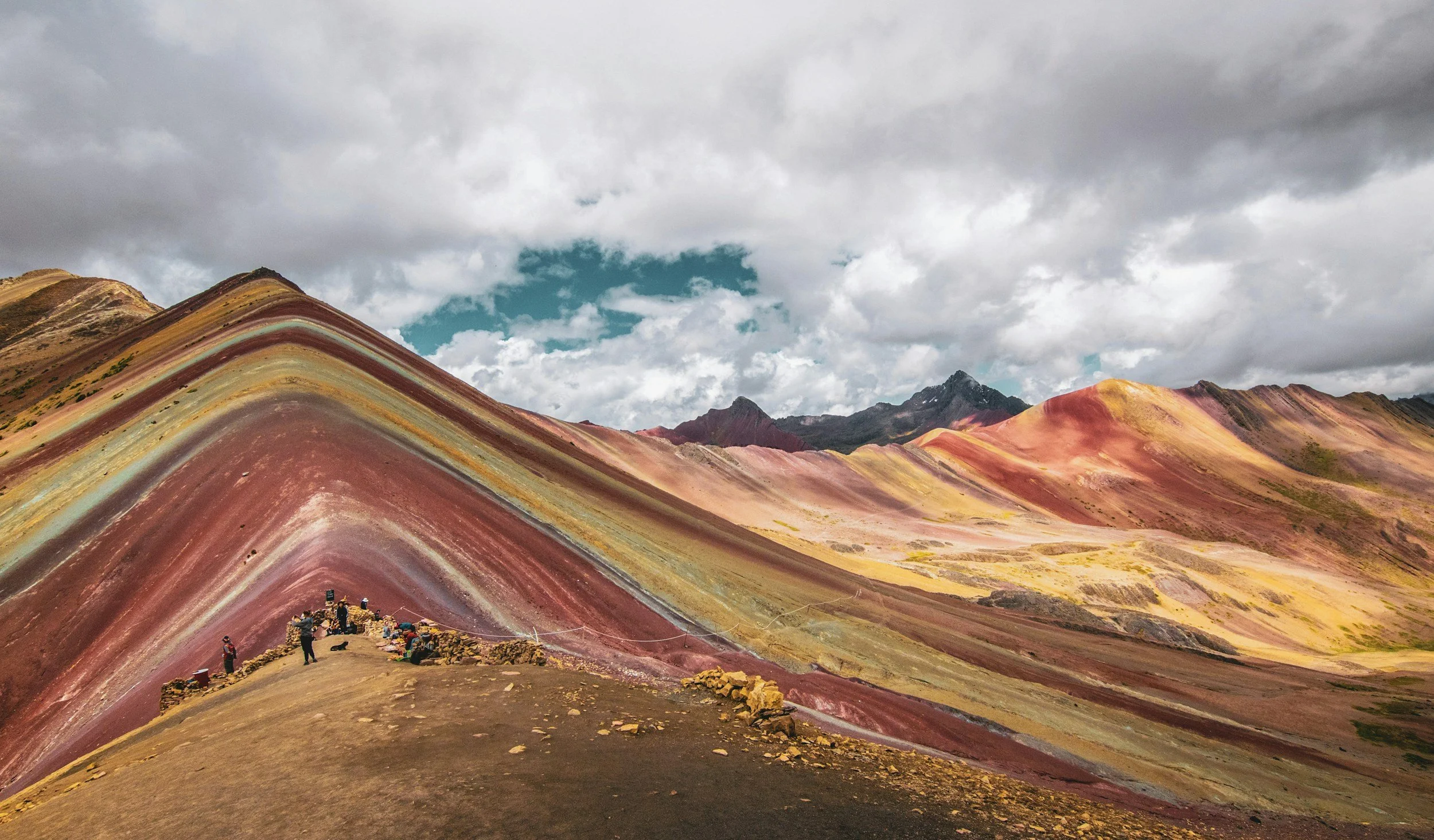
Hike to Rainbow Mountain
While we didn’t personally have enough time to do this, it definitely is an iconic thing to do in Peru! However, I have heard that the mountain does not look like it does in pictures.